





Heat source

Heat is the energy that is transferred between different systems as a result of thermodynamic interactions. Heat differs from temperature, which is a measure of the average kinetic energy of molecules. Temperature will tend to vary throughout a body depending on its heat exchange with its surroundings
In the built environment, heat may be used to:
- Create comfortable conditions for occupants.
- To prevent condensation.
- For activities such as drying and cooking.
- For industrial processes.
A heat source is a system from which heat is ‘lost’ to a heat sink. For example, in the built environment, a radiator may be considered to be a heat source, whilst the space around it, which it heats by a process of radiation and convection, might be considered to be a heat sink.
Heat sinks might also refer more specifically to active devices that transfer heat from a system to a medium that dissipates that heat away from the system, and in so doing cooling it. Heat sink devices are commonly used to cool computers.
Anything may behave as either a heat source or a heat sink depending on its temperature compared to its surroundings, however, in the building environment a number of elements are exploited specifically for their characteristics as heat sources for functions such as helping create thermal comfort.
This might include:
- The sun.
- The ground (eg ground source heat pumps, geothermal piles).
- The air (eg air source heat pumps).
- Water (eg water source heat pumps).
- Thermal mass (such as an exposed concrete slab).
- Heating devices such as radiators, electric heaters, open fires, wood-burning stoves and so on.
Other items might act as inadvertent heat sources, which may not be desirable as they may cause overheating, such as people, computers, ovens and other equipment. These heat sources are sometimes referred to as heat loads.
Heat sinks might include air conditioning systems, refrigeration equipment, thermal mass and so on.
Heat sources and heat sinks such as thermal mass might be described as ‘passive’ in that they use the layout, fabric and form of a building to reduce or remove the need for ‘active’ systems such as heating, ventilation and air conditioning systems.
[edit] Related articles on Designing Buildings
- Boiler.
- Building heating systems.
- Conduction.
- Convection.
- Ground source heat pumps.
- Heat.
- Heat interface units.
- Heat meter.
- Heat pump.
- Heat recovery.
- Heat transfer.
- National heat map.
- Overheating.
- Radiant heating.
- Radiation.
- Solar gain.
- Thermal comfort.
- Thermal mass.
- Types of domestic heating system.
Featured articles
Check out some of the best features and news from Designing Buildings as well as key stories from around the web.

Gasholders: a history in pictures. Book review.
Recognition, influence and growth

SocEnv identifies three strategic pillars in new strategy to 2045.
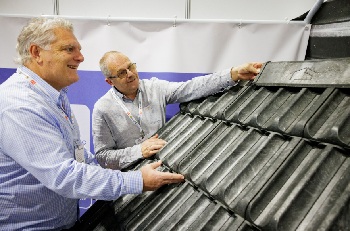
Discover the future of roofing, cladding and insulation.

New guidance for professional practice, cultural change and regulation in social housing.
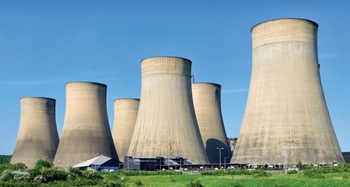
The heritage of nuclear and conventional power stations.
New measures to stop people being ripped off

Government to protect families from cowboy builders and aggressive bailiffs.

New Futurebuild showcase brings an innovation-first approach.
National Planning Policy Framework
Understanding the 2026 changes.
ECA's public affairs priorities

Member consultation opens to shape priorities for 2027 to 2030.

Dutyholder responsibilities from 1 July 2026.
Where performance meets practice

The Building Envelope Stage at UKCW Birmingham.

CIAT publishes briefing on planning reforms.